
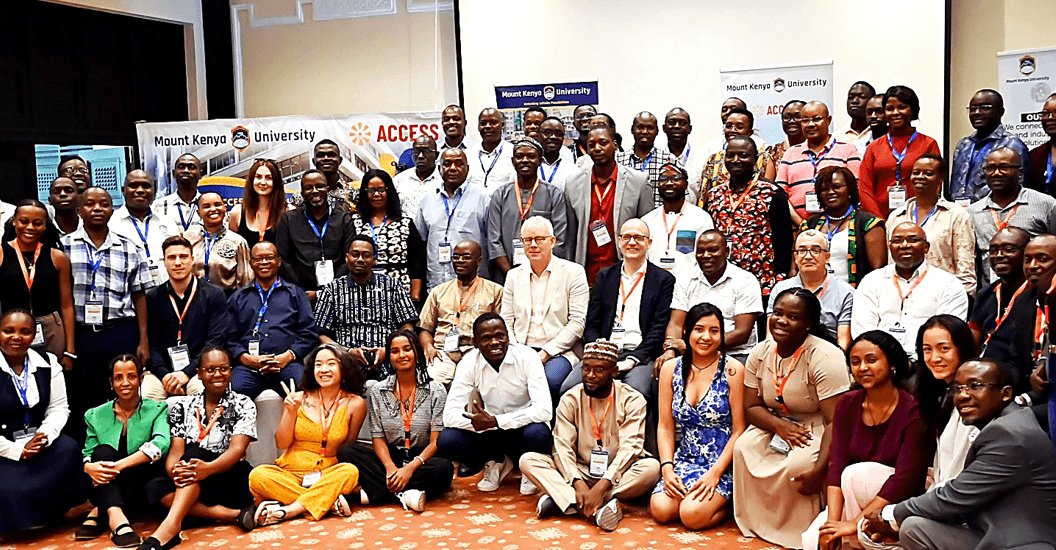
MOMBASA, KENYA | 12 NOVEMBER 2026
The two-day conference brings together international scholars, industry leaders, policymakers and innovators to explore how university-industry partnerships can transform research into practical solutions and drive sustainable economic growth.
Mount Kenya University (MKU) has brought together international scholars, researchers, policymakers, industry leaders, entrepreneurs and students for its 2026 Annual University Conference and Intelligence for Innovation (iN4iN) Conference, providing a platform to advance collaboration, innovation and sustainable development across Africa.
Held at Mombasa Continental Resort from 12th to 13th November 2026 under the theme “The Triple Synergy: Building Sustainable Innovative Ecosystems Through Education and Partnerships,” the conference explores how universities, industry and government can work together to strengthen innovation ecosystems, support enterprise development and address emerging societal and economic challenges.
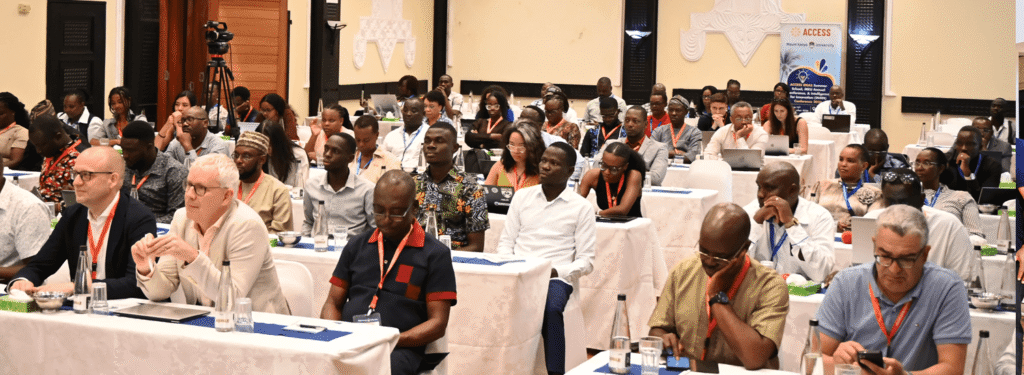
The conference underscores MKU’s commitment to advancing Sustainable Development Goal 9 (SDG 9) on Industry, Innovation and Infrastructure, building on the University’s role as the United Nations Academic Impact (UNAI) SDG 9 Hub Chair for the 2025–2027 period.
A major highlight of the conference was the keynote presentation by Prof. Dr. Utz Dornberger, Director of the SEPT Competence Center at Leipzig University, Germany, and Project Director of the African Centre for Career Enhancement and Skills Support (ACCESS).
In his presentation titled “Unlocking Business Potential Through University Living Labs,” Prof. Dornberger challenged universities to move beyond conventional research approaches and establish practical innovation ecosystems that connect academic knowledge with industry and community needs.
He introduced University Living Labs as collaborative environments where universities, businesses, government and civil society jointly identify challenges, develop solutions and test innovations in real-life settings.
Drawing from Leipzig University’s experience, he outlined seven critical dimensions for successful University Living Labs: a clear value proposition, academic coaching, viable institutional and business models, strategic industry partnerships, real-life experimentation, curriculum and research integration, and responsible co-creation.
He also highlighted applications in artificial intelligence, smart farming, business process optimisation, logistics and digital education, and introduced Process Living Lab Africa, a proposed initiative aimed at helping African startups optimise operations, improve decision-making and strengthen their capacity to scale.
The conference provides an important platform for examining how higher education institutions can become active contributors to enterprise development, technological advancement and employment creation.
Through its focus on University–MSME Partnerships for Sustainable Livelihoods and Artificial Intelligence and Employability in Higher Education, the conference brings research, policy and industry perspectives into conversations on the future of African economies.
Discussions also explore the Triple Helix model of collaboration between academia, industry and government, particularly its potential to unlock innovation and strengthen Micro, Small and Medium Enterprises (MSMEs).
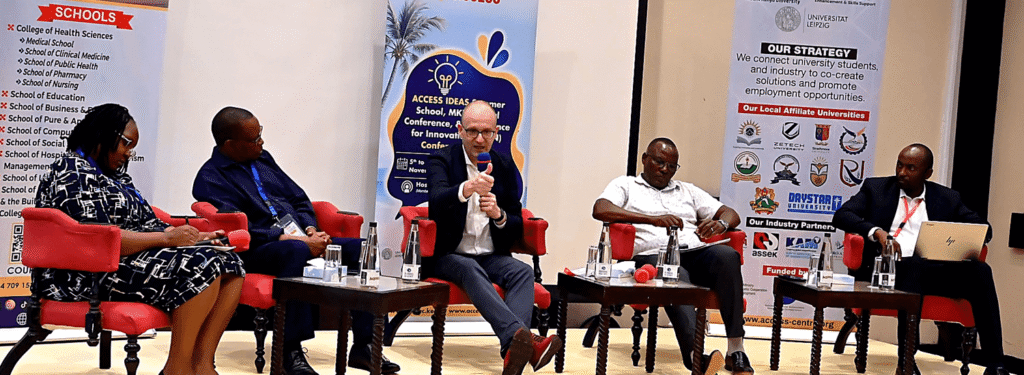
A live panel discussion broadcast on TV47 and Radio 47, titled “SDG 9 Synergy for Growth: Triple Helix in Driving MSME Innovation in Kenya,” further examined how these partnerships can support enterprise growth and sustainable livelihoods.
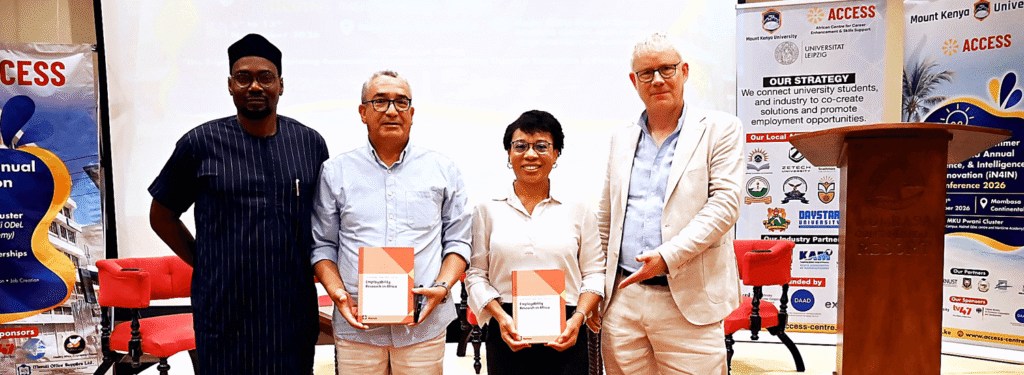
By convening this international gathering, MKU reinforces the importance of universities as more than centres of teaching and research. They are strategic partners in addressing unemployment, advancing entrepreneurship, supporting businesses and developing solutions to emerging societal challenges.
The conference also strengthens MKU’s international academic engagement, building on collaborations with institutions such as Leipzig University and development partners supporting higher education capacity building and innovation.
As Africa seeks to accelerate industrialisation, embrace emerging technologies and expand employment opportunities for its growing youth population, platforms such as the MKU Annual University Conference provide an important opportunity to turn academic dialogue into collaborative action.
Through partnerships, research and innovation, MKU continues to champion the role of universities in shaping sustainable solutions and building a more innovative and prosperous Africa.


